What The Fulvic Is Shilajit? The ancient origins of today's hottest health trend

What is Shilajit? The Ancient Origins of Today’s Favorite Wellness Resin
Quick Answer: Shilajit is a natural mineral resin that forms in high mountain ranges over centuries. Rich in fulvic acid and 80+ trace minerals, it’s been used in Ayurveda for thousands of years as a daily rejuvenating tonic — and researchers continue to study it.
Shilajit has been revered for millennia in Ayurveda and ancient medicine. Today, researchers are studying shilajit in areas like energy, focus, skin, and vitality. This is the definitive guide to what shilajit is, where it comes from, and why not all shilajit is created equal.
The Ancient Origins of Shilajit
Shilajit, known as the “Conqueror of Mountains and Destroyer of Weakness,” has a deep-rooted history in Ayurvedic medicine. Mentioned in the ancient Charaka Samhita — one of Ayurveda’s foundational texts — Shilajit was classified as a Rasayana (a traditional tonic), traditionally valued as a ritual for strength and overall vitality.
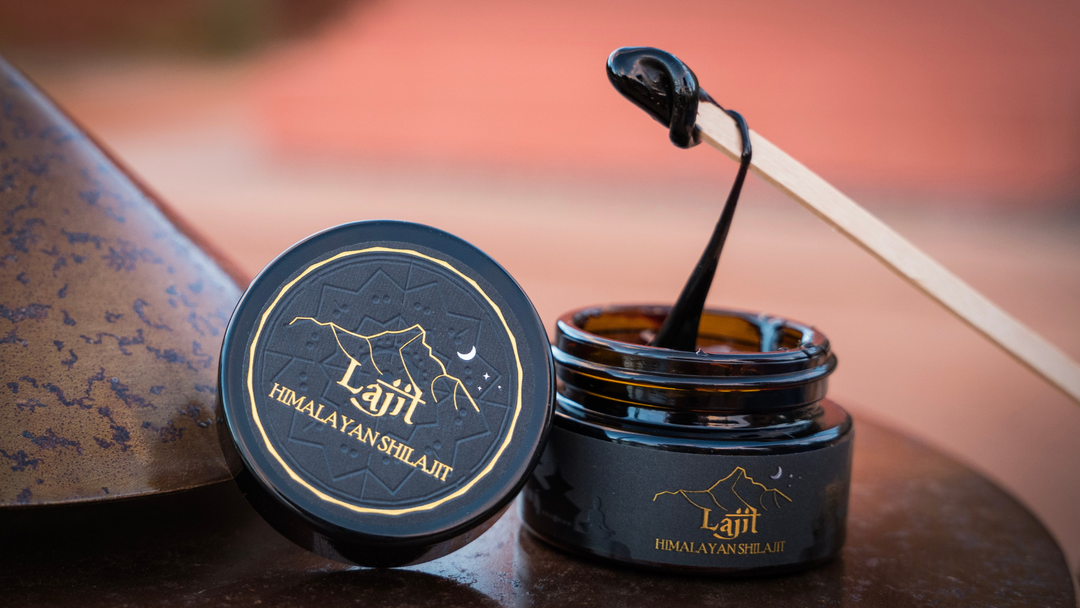
Found seeping from rock fissures in the remote Himalayan, Altai, and Caucasus mountain ranges, this tar-like resin is the result of centuries of organic plant matter decomposing under extreme pressure and heat. It is one of the most mineral-dense substances found in nature.
Ancient Himalayan communities observed wild monkeys eating shilajit directly from rock faces — and told stories of the animals’ remarkable strength. Read the full story of the Old World monkeys and shilajit →

What’s Actually Inside Shilajit?
Shilajit’s power comes from its extraordinary chemical complexity. Unlike synthetic supplements, it is a whole-food matrix of bioactive compounds that work synergistically:
- Fulvic Acid (60–80%): The star compound. A natural electrolyte and antioxidant that is studied for its role in nutrient transport.
- Dibenzo-alpha-pyrones (DBPs): Unique microbial metabolites that are studied in relation to CoQ10 and mitochondrial energy. Learn how shilajit powers your mitochondria →
- 80+ Trace Minerals: Including zinc, magnesium, iron, copper, and selenium.
- Humic Substances: Naturally occurring organic compounds found in shilajit.
- Amino Acids & Peptides: Building blocks found naturally in shilajit.
This is why shilajit is often called a “delivery system” — it is traditionally described as a carrier for nutrients.
What Modern Science Says About Shilajit
Researchers have started to study what ancient practitioners observed. Here are some areas of research:
- Collagen & Skin: An 8-week clinical study looked at type I collagen synthesis markers in participants who supplemented with shilajit. Read the full collagen article →
- Focus & Clarity: Fulvic acid, shilajit’s primary compound, has been the subject of laboratory research. Read the brain health article →
- Men’s Vitality: Shilajit is a traditional daily ritual for men and women alike, and researchers continue to study it. Read the men’s vitality article →
- Daily Ritual: Shilajit is a traditional daily ritual enjoyed for everyday vitality.
- Mitochondrial Energy: DBPs and fulvic acid are studied in relation to cellular energy and oxidative stress. Read the mitochondria article →
- Everyday Calm: Shilajit is traditionally enjoyed as part of a calming daily ritual. Read more →
Why Quality Matters: Not All Shilajit Is the Same
The shilajit market is flooded with low-grade products — powders, capsules, and resins that have been diluted, adulterated, or improperly processed. Raw, unpurified shilajit can contain heavy metals, mycotoxins, and harmful microbes. This is why sourcing and testing are everything.
Here’s what separates premium shilajit from the rest:
- Source elevation: Authentic shilajit comes from above 16,000 feet. Lower altitudes produce inferior resin with fewer bioactive compounds.
- Purification method: Traditional sun-drying and water purification preserve the fulvic acid and DBP content without destroying heat-sensitive compounds.
- Lab testing: Look for published reports from an independent lab, with sample dates, covering heavy metals, microbes, and fulvic acid content.
- Form: Resin is the least processed, most traditional form.
View Lajit Gold’s full Certificates of Analysis → | What makes premium shilajit different? →
The Lajit Lifestyle: How to Integrate Shilajit Daily
Incorporating shilajit into your routine isn’t just about taking a supplement — it’s about building a foundation of consistent, compounding health.
- Morning Ritual: Dissolve approximately 100 mg of Lajit Gold resin in warm water, tea, or coffee to start, and gradually work up as your body adjusts. Many people enjoy it warm as a soothing ritual.
- Optimized Nutrition: Pair with healthy fats (eggs, avocado, olive oil), protein, and colorful vegetables as part of a balanced diet.
- Exercise: Some people take it after training as part of their routine.
- Consistency: Consistency is the point; many people keep it up for several weeks. Individual experiences vary.
FAQs About Shilajit
Is Shilajit safe to take daily?
Shilajit has a long history of traditional daily use. Choose purified, lab-tested shilajit, review our Certificates of Analysis and follow label directions. If you’re pregnant, breastfeeding, or on medication, consult a clinician first.
How do you take Shilajit properly?
Start with approximately 100 mg of resin daily, dissolved in warm water, tea, or your favorite beverage, and gradually work up as your body adjusts. Our recommended target is up to 500 mg daily. See the full how-to guide →
What minerals are in Shilajit?
Shilajit contains fulvic acid and 80+ trace minerals in ionic form — including zinc, magnesium, iron, copper, and selenium — that support nutrient transport, enzyme function, and cellular energy.
Is shilajit popular with men?
Shilajit is a traditional daily ritual for men and women alike, and researchers continue to study it. Read the men’s vitality article →
How can I tell if Shilajit is real?
Authentic shilajit resin is tar-like, dissolves fully in warm water, and is backed by published lab reports covering fulvic acid content, heavy metals, and microbes.
When will I feel results?
Individual experiences vary. Many people keep it up as a daily ritual over several weeks.
What’s the difference between shilajit resin and powder?
Resin is the least processed, most traditional form. Powders and capsules are often diluted or heat-processed, which degrades the fulvic acid and DBP content. Learn more →
Experience the Power of Lajit Gold Shilajit
From ancient healers to modern science, shilajit has stood the test of time. Lajit Gold is Gold Grade Himalayan Shilajit Resin — Sherpa-sourced above 16,000 feet, traditionally purified, and tested by an independent lab. No fillers. No shortcuts.
Shop Lajit Gold Resin →Sources
📚 Related Resources
- Shop Lajit Gold Himalayan Shilajit Resin →
- Best Shilajit for Energy & Wellness: Buyer’s Guide
- How to Take Shilajit: Dosage & Best Practices
- What Makes Premium Shilajit Different?
- Shilajit FAQ Hub
- Lab Tests & Certificates of Analysis
- Related: Shilajit & Brain-Healthy Habits
- Related: Shilajit & Men’s Vitality
- Related: Shilajit & Men’s Vitality Habits
- Related: Shilajit & Mitochondrial Energy
- Related: Shilajit & Everyday Calm
- Related: Shilajit & Collagen
These statements have not been evaluated by the Food and Drug Administration. This product is not intended to diagnose, treat, cure, or prevent any disease.