Mitochondrial Health: The Missing Piece in the Weight-Loss Conversation
mitochondrial health • everyday energy • food-first habits
The Conversation We Don’t Have Enough: Mitochondrial Health and Everyday Energy
Weight-loss talk is loud right now: doses, drugs, and the number on the scale. What we hear far less about is the engine underneath it all — your mitochondria, the tiny structures in nearly every cell that turn food and oxygen into the energy you feel every day. We think mitochondrial health deserves a seat at the table, whatever your goals are.
What Are Mitochondria, Anyway?
Think of mitochondria as tiny power plants. They turn the food you eat and the oxygen you breathe into ATP, the energy currency your cells spend all day long. Your muscles, your brain, and your heart are packed with them, which is why the way you sleep, move, eat, and handle stress shows up in how energized you feel.
Why It Gets Skipped in the Weight-Loss Conversation
Most headlines are about weight and appetite. Far fewer ask the follow-up questions: How is my energy? Am I getting enough protein and minerals? Am I building strength, sleeping well, and taking care of my cells? Those questions matter no matter what your plan looks like, and they’re where simple, everyday habits shine.
Everyday Ways to Support Your Mitochondria
The best news: the habits that look after your cellular energy are simple, free, and well within your reach.
1) Sleep
Aim for 7–9 hours, with a consistent bedtime and a dark, cool room. Sleep is when your body repairs and resets.
2) Move + Lift
Walk daily and lift weights 2–3 times a week. Movement and strength training are time-tested habits for everyday energy.
3) Protein + Whole Foods
Build meals around protein, colorful plants, and healthy fats. Nutrient-dense food is the raw material for everything your cells do.
4) Minerals
Magnesium, zinc, potassium, and other trace minerals are part of a balanced diet. Leafy greens, nuts, seeds, beans, and seafood are great sources.
5) Hydration
Sip water through the day and include electrolyte-rich foods. Even mild dehydration can leave you feeling flat.
6) Sunlight
Get outside in the morning when you can. A little daylight helps set your body clock and lifts your mood.
7) Stress Management
Breathwork, time in nature, journaling, and simple downtime all help. Chronic stress is a heavy load on how you feel.
Where Shilajit Fits: A Mineral-Rich Daily Ritual
Shilajit is a mineral-rich resin used in Ayurvedic tradition for centuries. It contains fulvic acid and 80+ trace minerals, and many people enjoy it as a daily ritual to help support natural energy. Research on fulvic acid and cellular energy is ongoing.
Shilajit is a dietary supplement. It is not a replacement for sleep, food, movement, or professional care, and the habits above come first. If you are pregnant, nursing, take medication, or have a medical condition, check with your healthcare provider before trying it.

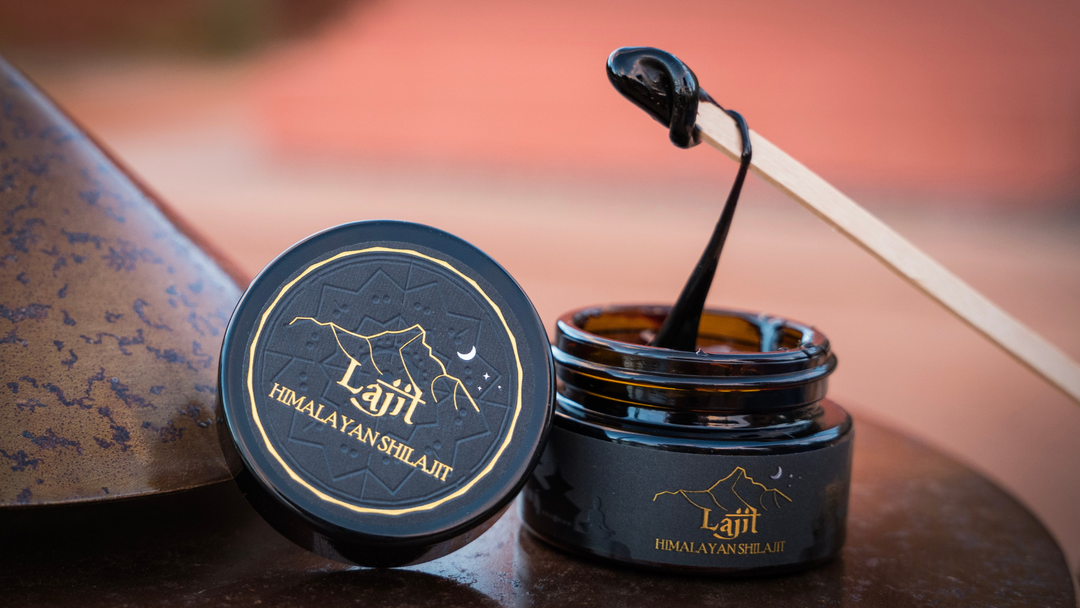
Gold Grade, single-origin Himalayan resin. Purified by Sherpa partners. Lab reports posted.
Explore Living Resin
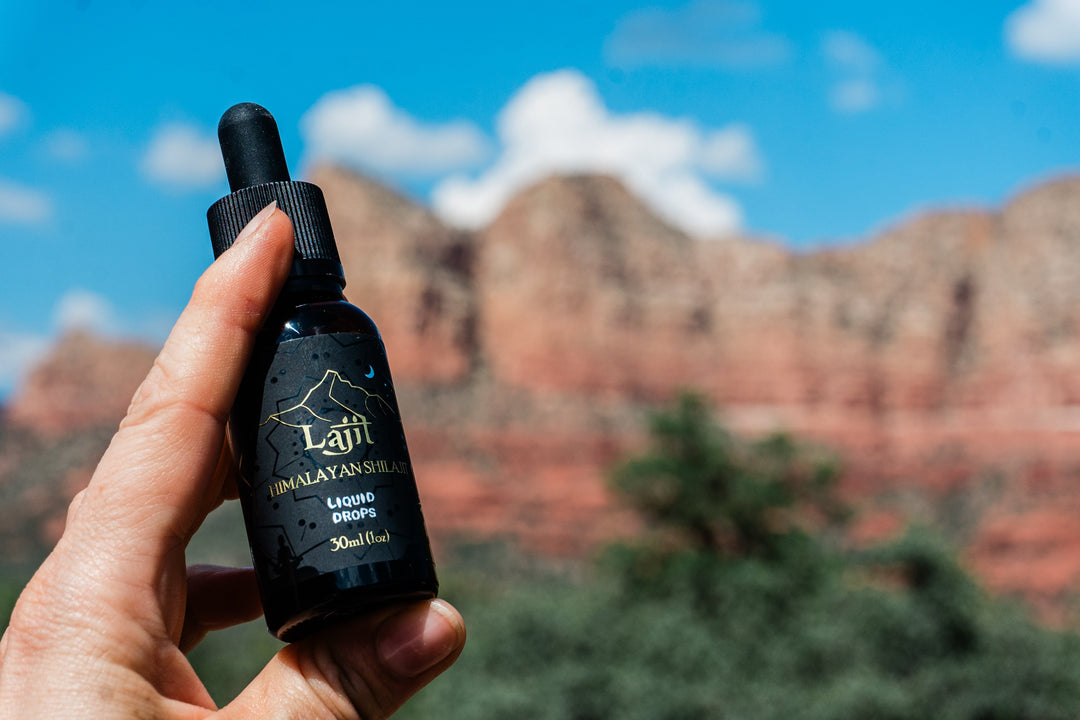
Pre-dissolved resin for convenience and consistency. Same source, same standards.
Try Liquid DropsQuick FAQs
What are mitochondria?
They’re the tiny structures inside your cells that convert food and oxygen into the energy your body uses every moment.
Can everyday habits really make a difference?
Sleep, movement, strength training, nourishing food, hydration, sunlight, and stress management are the foundations of how you feel day to day. They’re the best place to start.
Should I talk to my doctor about weight-loss medications?
Yes. Prescription medications should always be discussed with a doctor or pharmacist who knows your health history. Ask about benefits, risks, and what support makes sense for you.
Is shilajit vegan?
It’s a plant-derived mineral exudate; verify excipients and review public COAs by brand.
Bottom Line
Your energy is built, not bought. Whatever path you choose, look after the engines in your cells with sleep, strength, protein, minerals, water, sunlight, and calm. A mineral-rich shilajit ritual can be one small, enjoyable part of that routine — alongside food-first habits and your healthcare provider’s guidance.
References & Further Reading
- Overviews of mitochondrial function and cellular energy production (ATP).
- Nutrition and resistance-training guidance for everyday strength and energy.
- Sleep, sunlight, and stress-management basics from public health guidance.
- Shilajit composition, quality, and published research on fulvic acid.